- Home
- Ovarian Cancer Specialist in Ahmedabad
Ovarian Cancer Specialist in
Bhavnagar:
Complete Guide to
Diagnosis, Treatment &
Choosing the Right Doctor
How an Ovarian Cancer Specialist in Ahmedabad Can Transform Patient Outcomes

Dr. Ridham Shah
Surgical Oncologist
If you are searching for an Ovarian Cancer Specialist in Bhavnagar, the short answer is: Dr. Ridham Shah, a fellowship-trained surgical oncologist, consults patients from Bhavnagar at BIMS Hospital and works as a dedicated Gynec Oncologist in Bhavnagar, specializing in the diagnosis, surgery, and comprehensive Ovarian Cancer Treatment in Bhavnagar. This guide explains what ovarian cancer is, its warning signs, how it is diagnosed and treated, and what to look for when choosing the Best Ovarian Cancer Doctor in Bhavnagar.
Why Bhavnagar Patients Need a Dedicated Ovarian Cancer Specialist
Ovarian cancer is often called a “silent” disease because early symptoms are vague and easy to mistake for common digestive or menstrual issues. For patients in Bhavnagar, timely access to a specialist who focuses specifically on gynecological cancers rather than general surgery significantly improves the chances of early detection, accurate staging, and successful treatment. This is why
choosing a qualified Ovarian Cancer Specialist in Bhavnagar early on makes such a critical difference to outcomes.
What Is Ovarian Cancer?
Ovarian cancer develops when abnormal cells in one or both ovaries grow uncontrollably. It is one of the more serious gynecological cancers because it frequently goes undetected until later stages. Understanding the disease early empowers patients and families to seek help sooner from a qualified Gynec Oncologist in Bhavnagar.
Common Warning Signs of Ovarian Cancer
- Persistent bloating or abdominal swelling
- Pelvic or abdominal pain that doesn't go away
- Feeling full quickly while eating
- Frequent or urgent urination
- Unexplained changes in bowel habits
- Unusual fatigue or unexplained weight loss
- Irregular vaginal bleeding (in some cases)
Important:
These symptoms can also be caused by non-cancerous conditions. However, if they persist for more than two to three weeks, it is strongly recommended to consult an Ovarian Cancer Specialist in Bhavnagar for evaluation.
How Is Ovarian Cancer Diagnosed?
A specialist typically follows a structured diagnostic pathway
- Clinical examination - a detailed pelvic and abdominal assessment
- Imaging tests - ultrasound, CT scan, or MRI to evaluate the ovaries and surrounding organs
- Biopsy or surgical exploration - to confirm diagnosis and determine the cancer stage
- Blood tests - including tumor marker tests such as CA-125
Accurate staging is critical because it determines the treatment plan, and this is where the expertise of a dedicated Gynec Oncologist in Bhavnagar makes a measurable difference.
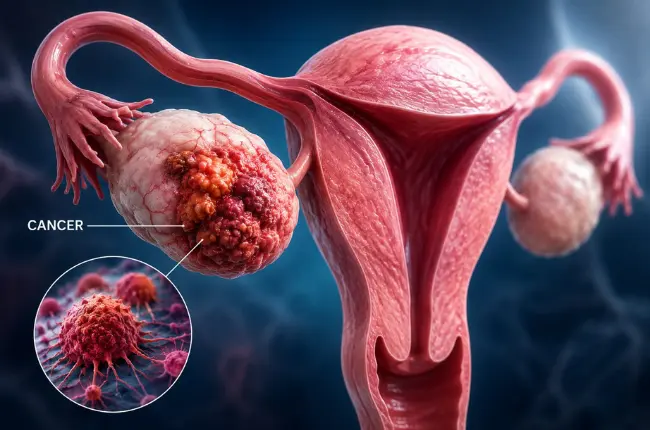
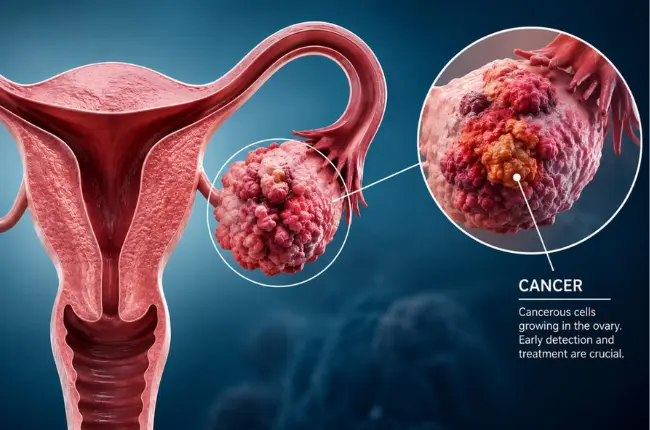
Ovarian Cancer Treatment Options
Ovarian Cancer Treatment in Bhavnagar is personalized based on the stage, type of ovarian cancer, and the patient’s overall health. Common
approaches include:
Surgery — often the primary treatment, ranging from removal of one ovary to more extensive procedures depending on how far the cancer has spread
Chemotherapy — used before or after surgery to target remaining cancer cells
Targeted therapy — newer treatments that focus on specific characteristics of cancer cells
Regular follow-up and monitoring — essential for long-term recovery and early detection of recurrence
Why Dr. Ridham Shah Is the Best Ovarian Cancer Doctor in Bhavnagar?
Dr. Ridham Shah is a surgical oncologist based in Ahmedabad who also consults patients from Bhavnagar at BIMS Hospital, Bhavnagar, making specialized cancer care accessible without requiring patients to travel long distances for every visit.

Primary Cytoreductive Surgery
Complete removal of visible tumor for better outcome.
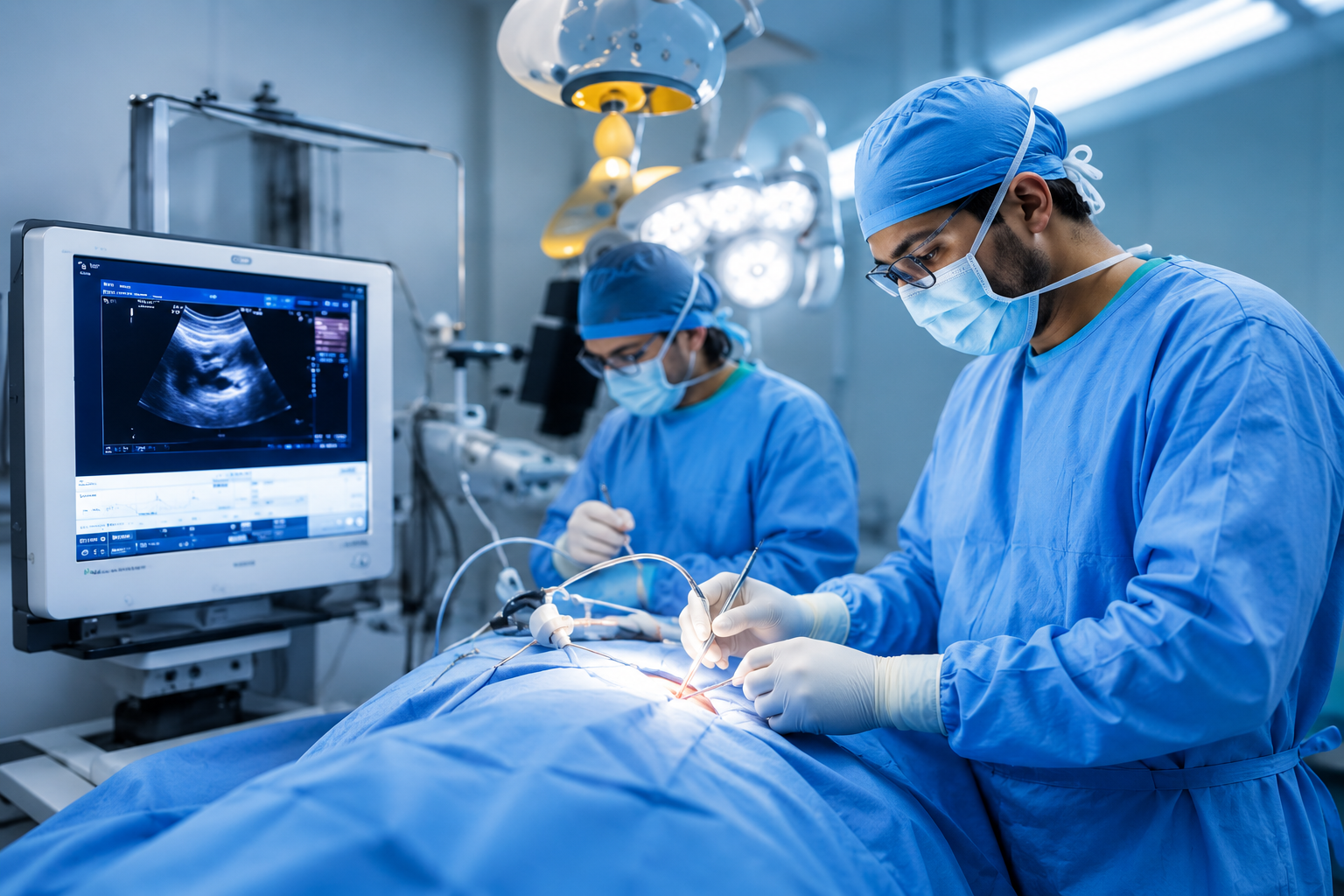
Hyperthermic Intraperitoneal Chemotherapy (HIPEC)
Destroys remaining cancer cells in the abdomen.

Neoadjuvant Chemotherapy
Shrinks tumor before surgery in selected cases.

Robotic Surgery
Advanced, precise, and minimally invasive approach.

Targeted Therapy & Maintenance Treatment
Advanced, precise, and minimally invasive approach.
What sets his approach apart:
- Focused expertise in gynecological and surgical oncology, not general surgery
- Emphasis on early, accurate diagnosis using modern imaging and lab evaluation
- Personalized treatment planning based on cancer stage and patient health
- Compassionate, clear communication so patients and families understand every step
- Continuity of care through diagnosis, surgery, and follow-up
About the Doctor
- Qualification : Fellowship-trained Surgical Oncologist with specialized focus on gynecological cancers, including ovarian, cervical, and uterine cancer
- Experience : Years of hands-on surgical and clinical experience treating cancer patients across Ahmedabad and Bhavnagar
- Practice locations : Primary practice in Ahmedabad, with dedicated consultations for Bhavnagar patients at BIMS Hospital
- Approach : Evidence-based diagnosis and treatment planning, aligned with standard oncology protocols
- Patient trust : Known among patients and referring doctors in the region for accurate diagnosis and compassionate long-term care
Medically reviewed content — this article is written for informational purposes and does not replace a professional medical consultation. Always consult a qualified oncologist for diagnosis and treatment specific to your condition.
Concerned About Ovarian Cancer?
Early diagnosis and expert care can make a life-changing difference.
Frequently Asked Questions
Who is the best ovarian cancer specialist near Bhavnagar?
Dr. Ridham Shah, a surgical oncologist, consults ovarian cancer patients from Bhavnagar at BIMS Hospital and is regarded as one of the Best Ovarian Cancer Doctors in Bhavnagar for his focused expertise in gynecological cancer surgery.
Can I get ovarian cancer treatment in Bhavnagar itself, or do I need to travel to Ahmedabad?
Dr. Ridham Shah holds consultations at BIMS Hospital in Bhavnagar, so initial evaluation and follow ups are possible locally, with Ahmedabad available for
advanced procedures if needed.
What are the earliest signs of ovarian cancer I should not ignore?
Persistent bloating, pelvic pain, early fullness while eating, and frequent urination lasting more than two to three weeks are key warning signs that warrant a specialist consultation.
Is ovarian cancer curable if detected early?
Yes. When detected at an early stage, ovarian cancer has significantly better treatment outcomes, which is why early consultation with a specialist is critical.
Is ovarian cancer curable if detected early?
Yes. When detected at an early stage, ovarian cancer has significantly better treatment outcomes, which is why early consultation with a specialist is critical.
How do I book a consultation with Dr. Ridham Shah in Bhavnagar?
Patients can book a consultation at BIMS Hospital, Bhavnagar, or reach out through Dr. Ridham Shah’s official contact channels for appointment scheduling.
Book Your Consultation Today
Early evaluation saves lives. If you or a loved one in Bhavnagar are experiencing symptoms or have been advised further evaluation for ovarian health, don’t wait. Consult Dr. Ridham Shah, Ovarian Cancer Specialist in Bhavnagar, available at BIMS Hospital, Bhavnagar, for expert diagnosis and a personalized treatment plan.
Concerned About Ovarian Cancer?
Early diagnosis and expert care can make a life-changing difference.